Why Your On-Chain Identity, Transaction History, and NFT Shelf Matter More Than You Think

Whoa! You log in, glance at your wallet, and think: that’s all there is. Seriously? Not quite. My instinct said the same thing when I first started—just treat the wallet like a bank account and move on. But something felt off about that mental model. On-chain identity isn’t just a string of addresses; it’s an ongoing narrative that your transactions, tokens, and NFTs write for you, whether you like it or not.

Okay, so check this out—if you’re managing DeFi positions and trying to keep a pulse on your exposure, the trio of identity, history, and NFTs creates both power and risk. Short version: you can get crystal clear visibility into past behavior, and that can unlock smarter decisions. Longer version: that same visibility lets others profile you, sometimes in ways that are surprising and sticky, and it can influence how protocols respond to you (or don’t).

First impressions are fast. Hmm… scan the address, see a long history of leveraged positions, and you’re viewed differently by counterparties and analytics platforms. Initially I thought privacy was a solved problem if you avoided KYC. Actually, wait—let me rephrase that: privacy on-chain is very very context-dependent. On one hand, pseudonymity protects you from some forms of risk, though actually identity links leak in ways that compound over time.

Let me tell you a short story. I once tracked an address that looked like a harmless collector. The wallet had a few mid-tier NFTs and some staking rewards. Then, over a week, it swapped into a token that had a known exploit history. My immediate reaction: huh. That wallet’s risk profile flipped overnight. You can guess the rest—protocols started blacklisting interactions, some DEX aggregators flagged the address, and the collector’s market behavior chilled. Small moves mean big reputational swings. It’s messier than it sounds.

A visualization of wallet activity over time, with spikes for large transactions

How to Read the Signals — and Why They Matter

Think of your on-chain footprint as a footprint in wet cement. Short moves leave marks, long moves become patterns. Here’s a practical breakdown: transaction history gives you chronological truth—what you did, when, and for how much. Web3 identity layers (ENS names, social recovery links, linked GitHub or Twitter attestations) add context. NFTs act like cultural badges; they tell a story about taste, floor-level exposure, and sometimes provenance-based trust.

For folks juggling DeFi positions, that means you can infer counterparty risk faster. Example: a wallet that’s consistently swapping between volatile governance tokens and staking them quickly could be a market maker—or a leveraged speculator. Both are fine, but your playbook changes. You might tighten liquidation thresholds or split positions across addresses. My gut says segmentation helps; the data says segmentation reduces blast radius. Somethin’ to consider.

Now here’s the nuance: tools that aggregate these signals are lifesavers, but they can also ossify judgment. Automated scoring systems will try to label wallets as ‘risky’ or ‘suspicious’ based on heuristics. They help prioritize alerts, sure. But they sometimes overfit to headline events and misclassify nuanced behavior. On one hand, 3rd-party risk filters save you time. On the other, they can create false negatives or false positives that matter—especially if you rely on them exclusively.

So what’s the pragmatic approach? Use analytics to inform, not decide. Cross-check on-chain traces with off-chain context when possible. If a wallet appears to have been involved in an exploit, dig deeper—was it the owner or an intermediary? Did they get hacked? There’s a story behind every wallet. And that story shapes how you interact.

Tools of the Trade: Visibility Without Noise

There are dashboards that consolidate balances across chains, visualize token flows, and tag contracts and counterparties. Hello, clarity. But more isn’t always better. You want curated signal: provenance of funds, frequency of self-transfers, token mint histories, and NFT marketplaces interactions. Those data points help you estimate the certainty of a thesis about a wallet.

If you’re actively managing your DeFi life, check out reliable portfolio trackers that surface not just balances but behavior. I tend to favor platforms that let me stitch identities together with consented social attestations and historical labels. One such resource I recommend is debank—it aggregates on-chain positions and makes sense of scattered holdings, without being overbearing. Use it as a starting map, and then walk the streets yourself.

Note: using an aggregator means sharing some read-only address info; be mindful of which addresses you import. If you keep a cold storage address purely for long-term holdings, maybe don’t register it everywhere. I’m biased toward minimal exposure—less linking equals fewer narrative breadcrumbs.

Here’s what bugs me about most quick audits: they focus on snapshots. But the process of value moving—flows over time—really reveals intent. Very often, flash loans, dusting transactions, and round-trip swaps signal tactics that a one-off balance snapshot misses. Spend time with timelines. If you have to pick one habit: create a habit of reviewing the last 90 days, not just current holdings. It tells you who the wallet is becoming.

Privacy Trade-offs and Practical Hygiene

Ok, here’s the cold truth: absolute privacy on public chains is impossible without trade-offs. If you want transactional privacy, you’ll adopt mixers, rollups, or privacy-preserving chains—and that brings complexity, UX friction, and sometimes regulatory headwinds. I’m not saying don’t use them. I’m saying understand what changes: compliance posture, recovery options, and how counterparty platforms view you.

Practical hygiene steps that I use: 1) segment funds by purpose; 2) rotate intermediate addresses for risky interactions; 3) avoid reusing addresses for high-value buys; 4) keep a ledger of intent (offline note) to justify odd flows if needed. These patterns don’t guarantee anonymity. But they reduce correlation risk—and reduce surprise when analytics label you as ‘interesting.’

Also—very practical—if you trade NFTs and want to avoid being doxxed via marketplace activity, use a marketplace relayer or a proxy bidding service. Sounds annoying, and yeah… it sometimes is. But it stops an easy link between your wallet identity and high-profile purchases. Small steps like that can protect you from unwanted attention.

On one hand, being transparent helps you build reputation and trust in communities. On the other hand, oversharing is a liability. Balance matters. If I had to sum up: be intentional about what you reveal and why. Keep the needle pointed toward utility, not vanity.

FAQ

Q: Can my ENS or social-linked identity hurt me?

A: Yes. Linking an ENS or social handle makes it trivial to connect off-chain identity to on-chain behavior. That can help with trust and onboarding, but it also makes you easier to profile and target. If you value privacy, limit links to addresses used for public-facing activity only.

Q: Do NFTs really reveal who I am?

A: They can. NFTs are cultural metadata—marketplaces, mint histories, and trade patterns convey tastes and relationships. High-profile buys or memberships tied to identity can be used to triangulate your persona. Treat NFTs as both assets and signals.

Q: What’s the simplest way to audit a wallet safely?

A: Start with a 90-day transaction timeline, identify large inflows/outflows, check interactions with known contracts, and look for round-trip swaps or bridge usage. Use a trusted aggregator for quick views, then deep-dive on-chain if needed. Keep an eye on provenance rather than just balance snapshots.

So where does that leave us? I’m not preaching paranoia, and I’m also not waving a flag of complacency. There’s utility in being known, and there’s value in being cautious. Your on-chain identity, transaction history, and NFT lineup are tools—use them to build advantage, not to advertise vulnerability. This is US DeFi culture: pragmatic, experimental, and a little stubborn. Take the parts that work, leave the rest, and keep learning.

One last thought—oh, and by the way—if you ever feel like your address is telling a story you don’t like, you can change the narrative. It takes effort, and sometimes cost, but narratives shift. That’s the weirdly hopeful part of all this. Hmm… I’m curious what your next move will be.

Running Bitcoin Core Like a Pro: Practical Notes for Full-Node Operators

Okay — quick confession: I started running my first node because I was annoyed by relying on random block explorers. That sounds petty, I know. But once you feel the independence of verifying blocks yourself, you don’t really go back. This piece is for experienced users who already know the basics and want practical, battle-tested tips to run Bitcoin Core reliably and efficiently on real hardware.

Running a full node is part civic duty, part personal sovereignty, and part sysadmin work. It’s not glamorous. It’s satisfying. And yes, sometimes it will reboot at 3 AM because of a flakey USB cable — true story. Below I focus on things that matter most in daily operations: storage, performance tuning, network hygiene, backups, and a few operational practices that save time and headaches.

Short version: prefer NVMe SSDs, give Bitcoin Core plenty of dbcache during initial block download, avoid txindex unless you need it, and isolate RPC access. But let’s dig into the how and why — with real-world caveats and trade-offs.

A home server rack with a small NVMe drive visible

A few practical hardware and OS recommendations

Yes, you can run a node on a Raspberry Pi. But if you care about speed and longevity, choose an NVMe SSD over SD cards or cheap USB drives. NVMe gives much faster random I/O and better endurance during reindexing or rescans. CPU doesn’t matter as much; Bitcoin Core is not CPU-bound during steady state. RAM matters for dbcache during IBD: more is better. Aim for 8–16 GB for a smooth initial sync on modern releases.

Linux is my recommended platform — Debian/Ubuntu or a minimal systemd distro. Use ext4 or XFS with default mount options; avoid fancy overlay filesystems unless you know what you’re doing. Snapshot-based backups are nice if you keep the node on a VM, but remember: a snapshot of a running wallet directory without proper quiescing can be inconsistent. So stop the service or use wallet backup tools when snapshotting.

One real-world tip: monitor NVMe SMART attributes. Drives wear out. I replaced one SSD after noticing rising P/E cycle counts long before failure. Small things like that keep you up and running.

Configuration knobs that actually matter

There are a few config options folks obsess over, and a few others that genuinely change behavior. Here’s what I’d prioritize.

-dbcache: Increase this during initial block download. Set it according to your RAM. If you have 16 GB, 4–8 GB for dbcache is reasonable. This reduces disk IO and speeds up IBD. After sync you can scale it back if you need RAM for other services.

-prune: Use pruning if you want to reduce disk usage. Pruned nodes still validate blocks and relay transactions, but they cannot serve historical blocks to peers. If you need full archival functionality or if you use certain explorers or wallet rescans often, don’t prune. Pruned operation is perfectly fine for validating and using a wallet, and it’s a pragmatic choice for constrained environments.

-txindex: Turn this on only if you run software that requires arbitrary transaction lookup (e.g., an indexer or block explorer). It consumes substantial disk and slows initial sync. If you don’t need it, leave it off.

-listen, -externalip, and Tor: Decide up front whether you want to accept inbound connections. Running as a passive peer behind NAT is fine. But if you want to contribute to the network’s decentralization, open a port or run over Tor for privacy-friendly availability.

Networking and peer hygiene

Peers matter. Keep an eye on getpeerinfo output. Look for peers with low latency and diverse networks. If your peer set is dominated by a single AS or country, you’re at risk of correlated failures. Use addnode or connect sparingly; Bitcoin’s DNS seeds and peer discovery generally work well, but manual seeds are useful after complicated network events.

Limit RPC to localhost unless you have a strong reason otherwise. If you must expose RPC, use an SSH tunnel or a VPN and enforce rpcauth/rpcssl. For RPC automation, prefer bitcoin-cli over third-party wrappers when possible because you avoid extra layers that can mis-handle errors during reorgs or IBD.

Wallet handling and backups

Wallets are the sensitive part. Descriptor wallets are the modern recommended approach — they make backups more robust and deterministic. If you use legacy wallets, keep multiple offline backups of wallet.dat and the wallet salt. With descriptors, export your seed phrase and descriptors alongside metadata that your wallet requires.

Test your backups. I’ve lost time validating a “good” backup that actually couldn’t restore addresses in a new build because of version mismatch. Restore to a separate machine or VM; don’t assume a file is restorable forever. Practice the restore so you know the process when under pressure.

Maintenance workflows that scale

Expect to reboot or reindex sometimes. Corruption is rare but not impossible, and power events can cause transient issues. Have a checklist: check disk space, rotate logs, verify systemd service status, run bitcoin-cli getblockchaininfo to confirm sync status, then check getpeerinfo and getnettotals. Automate monitoring: Prometheus exporters and Grafana graphs for blocks/sync progress, I/O, and CPU/RAM give you early warning.

When upgrading, read release notes. Consensus-critical changes are rare, but node behavior and wallet compatibility can change. I like testing upgrades on a staging node before promoting to my primary. This is overkill for hobbyists, but for anyone running a node as part of a service, it’s lifesaving.

When things go wrong

Reindex vs. rescan: Know the difference. A rescan only rescans the wallet against existing blocks and is often faster; reindex rebuilds the block index from block files and is heavier. If disk corruption is suspected, reindexing or even a fresh sync (IBD) from scratch might be necessary. If you seed from a reliable peer or use snapshotting, you can cut the time down, but always verify the snapshot’s authenticity.

If you see peers dropping on chain reorganizations or high orphan rates, check your system clock and network stability first. Bad time sync causes all kinds of weirdness. Chrony or systemd-timesyncd running properly is often the simple fix people overlook.

Useful commands to keep handy

Run these regularly: bitcoin-cli getblockchaininfo, getpeerinfo, getwalletinfo, and getnetworkinfo. They tell you the chain height, peer set, wallet balance, and network health. Use them in scripts for automated alerts. Small scripts that check for stalled IBD or disk usage have saved me more than once.

If you want a deeper guide or the official reference materials, check this resource here — not exhaustive, but a pragmatic companion to what I’ve described.

FAQ

Do I need a beefy machine to run a node?

No. You don’t need a server-grade CPU. Prioritize a reliable NVMe SSD, stable power/network, and enough RAM to allocate dbcache during initial sync. For everyday use, modest hardware is fine; if you plan archival duties (txindex, explorers), scale up storage and I/O accordingly.

Is pruning safe if I want to use Lightning?

Pruning is compatible with many Lightning setups, but some implementations (or workflows involving on-chain lookups) may expect historical blocks. If you plan to be a long-term Lightning node operator offering channel backups or historical dispute resolution, consider a non-pruned setup or maintain a separate archival node for on-demand lookups.

How often should I update Bitcoin Core?

Regularly. Security fixes and performance improvements come through routinely. However, for production-critical nodes, stage the update on a secondary node first. Read release notes for wallet or consensus changes before upgrading mainnet nodes.

Why Real-Time DeFi Analytics Change How Traders Spot Trending Tokens

Whoa! I noticed a pattern on my screen last week and it stuck with me. The price spiked, then volume poured in, and within minutes social chatter erupted — somethin’ felt off about the move. At first glance it looked like a classic pump, but then on-chain flows told a different story, and my instinct said “watch the liquidity.” Initially I thought this was just another meme rally, but then I pulled up a real-time chart and realized there were clear early signals hiding in plain sight.

Really? Yup. Real-time charts are not just pretty lines. They are the difference between reacting late and making an informed call. Short-term orderbook shifts, sudden liquidity provider withdrawals, and coordinated wallet activity all leave fingerprints you can read — if you use the right tools. Some of these signals are subtle, though actually when combined they form a loud alarm that many traders miss.

Here’s the thing. Speed matters. Market moves in DeFi happen on a different clock than traditional markets, and delays cost money. I used to rely on hourly snapshots and frantic Discord pings. That approach felt like driving with fogged windows. Then I started using tools that stream real-time metrics, and the picture cleared. I won’t pretend it’s perfect, but the edge was real. My trades became less guesswork and more pattern recognition, even if sometimes the patterns mislead you — which they do, very very often.

Real-time DeFi chart with volume spikes and liquidity events

What to watch on live charts

Quick list first. Watch for sudden volume spikes, abrupt changes in liquidity, whale wallet interactions, and rapid token distribution across many addresses. Hmm… that list is short but powerful. Volume alone lies; pairing it with liquidity and wallet flow tells a more honest story. On one hand, a big buy on thin liquidity can look bullish, though actually it can just be a trap set by a transient liquidity provider.

Observe buy-side pressure followed by immediate liquidity pulls. That pattern often precedes rug-like outcomes. My experience says that when large LP shifts coincide with coordinated buys, the odds of a quick reversal increase. It’s not deterministic, but it’s a strong probabilistic signal. I remember a trade where price tripled and then evaporated in minutes — I smelled the pattern too late that time.

Okay, check this out — volume diffusion is underrated. If a token’s volume is concentrated among a handful of addresses, you should be cautious. Conversely, broadening distribution across many unique wallets can indicate organic interest. I’ll be honest: it’s messy to measure manually. Automation helps, and that’s why I lean on platforms that aggregate and visualize these flows in real time.

How trending tokens move differently

Trending tokens often follow a lifecycle: discovery, concentrated accumulation, social amplification, retail entry, and then either sustainable growth or collapse. At the discovery stage, on-chain activity is sparse but telling. A few smart wallets accumulate with low slippage and add liquidity strategically. Later, social signals amplify the trade, and momentum traders pile in for the FOMO. The tricky part is timing your exit when liquidity is thinned by initial LPs.

One practical rule: if price increases by more than 20% on a liquidity base that shrank, be extra careful. Really. That combination usually signals a fragile rally. My gut has flagged that scenario repeatedly. Initially I sold too early on some winners, but with better chart context I learned to hold when on-chain flows supported the move and to exit fast when they didn’t.

Tools that surface these data points in real time are invaluable. I use them to detect microstructures — like stealth buys that precede public momentum. On the other hand, noise is everywhere. You have to filter what matters, and that requires both intuition and disciplined analytics. Something felt off the first times I trusted intuition alone, so I built a checklist that blends both approaches.

Check this out — one check is liquidity stability. Another is unique wallet growth over short intervals. A third is the ratio of token transfers to active holders. When two or more checks light up simultaneously, I treat it as a higher-confidence signal. That doesn’t mean the trade will win, but it reduces blind risk.

Why latency kills returns

Latency is more than milliseconds; it’s about the delay between noticing a pattern and acting on it. If you read a chart five minutes after a dramatic shift, you’re often too late. Seriously? Yes. Execution speed, paired with pre-set risk rules, changes outcomes. I once watched a promising token explode and then slip away while I chased signals from a lagging dashboard. Lesson learned — real-time feeds and quick decision frameworks are non-negotiable.

API access and real-time alerting let you act within the window of opportunity. That window is narrow. My framework uses alerts for volume anomalies, sudden LP changes, and whale entry patterns. When an alert hits, I cross-check with on-chain transfers and short-term holder metrics, then decide. This isn’t rocket science, but it feels like trying to catch lightning in a bottle.

Where to get reliable real-time views

If you want to see live token flows and charted indicators, use a trusted aggregator that focuses on DEX activity and token metrics. I turn to a platform that consolidates DEX trades, liquidity events, and wallet movements in one place because toggling between too many tabs slows me down. For a fast, integrated view of trending tokens and on-chain signals check out dex screener. It surfaces a lot of the things I just described in near real-time, which is exactly what you need when opportunities window-shrink.

I’m biased toward tools that show both charts and underlying flows. Visuals without provenance are flimsy. Show me the wallet history, liquidity timeline, and transfer breakdown and I’m more comfortable making a call. Also, community context matters — but treat it like secondary confirmation rather than proof.

FAQ

How do I avoid falling for pump-and-dump schemes?

Watch liquidity behavior closely and look for broad holder distribution. Rapid LP withdrawals and concentrated ownership are red flags. Use alerts for abrupt liquidity shifts, and never trade sizes that would drastically affect slippage on thin pools.

Can real-time charts predict long-term winners?

Not reliably. They signal momentum and anomalies, which help with short-to-medium term trades. Long-term fundamental assessment still matters, like team, tokenomics, and utility. Think of real-time analytics as a timing tool more than a valuation model.

What’s one practical habit to adopt now?

Set two types of alerts: one for on-chain flow anomalies and one for liquidity changes. Backtest your responses on past moves and refine thresholds. Start small, learn, and scale position sizes only after the signal proves repeatable.

Why liquid staking and stETH feel like the future of ETH—if you know the tradeoffs

Whoa!

I remember the first time I swapped ETH for a liquid staking token; it felt like unlocking somethin’ I hadn’t realized I needed. Seriously? Yes — very exciting, and also a little unnerving. Initially I thought staking was just about locking coins and earning yield, but then realized liquid staking unhooks that locked capital and gives you ownership and liquidity at the same time, which changes the game. On one hand you get ongoing yield while still being able to trade a tokenized representation of that stake; though actually that convenience brings new risks and new layers to think about.

Hmm… here’s the thing. Liquid staking isn’t magic. It is a smart-contract pattern that issues a token (like stETH) representing staked ETH plus accrued rewards, while the underlying ETH is secured by validators. My gut said “free liquidity!” and my brain followed with “wait—who operates the validators, and how decentralized are they?” I dug in, and what started as surface-level curiosity turned into a deeper look at validator sets, slashing risks, and governance tradeoffs, because those details matter for anyone holding tokenized stake long-term.

Wow!

At a high level, staking pools let many users combine ETH to run or pay for validators, which avoids the 32 ETH barrier. This setup democratizes participation for everyday users, and it reduces the friction of running your own validator node — which is great for Main Street users. But when a few large staking pools dominate, decentralization erodes, and that centralization introduces systemic risk because large pools can influence proposal inclusion and chain dynamics. I’m biased, but that part bugs me; I like the idea of many small, independent validators just like a neighborhood of mom-and-pop shops rather than a handful of supermarkets controlling everything.

Seriously?

Yes, because tokenized stake like stETH is liquid by design: you can sell, trade, or use it as collateral while still earning protocol rewards, which is very very important for capital efficiency. However, that liquidity is not identical to direct ETH liquidity because the token carries protocol, smart contract, and market risks that ETH does not. On top of that, price can deviate from a 1:1 peg under stress, especially during rapid withdrawals or when the underlying redemption mechanics are slow, so you need to factor in basis risk, market depth, and counterparty exposure. In practical terms, think about how a mortgage-backed security behaves differently than a direct home loan — the wrapper introduces its own dynamics, and stETH is the crypto-world analogue in many ways…

Whoa!

Mechanically, when you stake through a liquid staking protocol, a smart contract mints staked tokens and sends ETH to validators operated by a set of node operators. This delegation model means rewards flow to the pool and are reflected in the balance or exchange rate of the tokenized stake, which is elegant and composable. But not all pools are created equal; different protocols have different validator-selection criteria, fee structures, and slashing indemnities, so the details influence both returns and risk. I kept asking myself: “Who bears the slashing risk?” — because that’s the latent tail risk that can surprise people who only look at APY numbers.

Really?

Yes, really. One of the big practical upsides is DeFi composability — you can put stETH into lending markets, automated market makers, or yield strategies, layering returns in ways that simple staking can’t. That multiplies capital efficiency but also multiplies complexity, and complexity translates into correlated failure modes when markets move fast. Initially I assumed composability was an unalloyed good, but then I realized cascading liquidations and peg divergence are real phenomena, and they bite hard during stress. So if you’re building a portfolio you have to think about stress scenarios, not just a baseline APY.

Wow!

Personally, I like Lido for a lot of reasons — diversification of node operators, active governance, and wide protocol integration — but I’m not blind to the criticisms about concentration. If you want to see what their public docs and operator list look like, check the lido official site for the technical breakdown. My instinct said “trust but verify,” so I read the operator audits and the DAO proposals and watched how they redistributed stakes after concerns arose. That watching matters; governance and transparency are the insurance policy when you can’t or don’t want to run your own validator.

Hmm…

Here’s an example from personal practice: I staked a slice of my ETH exposure as stETH to free up capital for options hedging, and that allowed me to keep ETH exposure while using the stETH as collateral in other strategies. The tradeoff was basis risk — during a short, sharp market drop the stETH/ETH spread widened and my hedges underperformed, which taught me to size positions tighter and keep margins conservative. Initially I thought the yield differential would more than cover occasional spread moves, but then realized the operational intricacies and the timing of withdrawals matter a lot, so my risk controls evolved. I’m not 100% sure that my approach is optimal, but it’s better than the naive “stake everything” approach I started with.

Wow!

There are governance considerations too. On one hand, tokenized staking protocols often have DAOs that make decisions about fees, operator onboarding, and emergency measures, which is more decentralized than a single custodian. On the other hand, token holders who don’t participate in governance still affect outcomes indirectly through token economics and voting delegation, so engagement (or lack thereof) creates power imbalances. I like that these systems try to balance security, decentralization, and user experience, but the balancing act is messy and sometimes political, like anything involving incentives and money. If you’re the kind who reads forum threads and proposal snapshots, that engagement can tilt outcomes in your favor — or at least keep you informed.

Really?

Yes, and here’s a practical checklist I use before I deposit into any liquid staking product: check operator decentralization, examine fee structure, verify slashing protections, look at integration depth across DeFi (liquidity pools, lending markets), and run a stress scenario for peg divergence. Do a quick mental model: where does my capital go, who can change contract rules, and how liquid is the secondary market? Also, consider tax and accounting implications because tokenized staking can complicate cost basis and taxable events, and those are real-world headaches that slow-moving accountants won’t like. Oh, and by the way, keep an eye on MEV dynamics too — block-building economics can subtly affect yields and fairness for validators.

A dashboard showing stETH peg versus ETH over time, with annotations

A few final honest thoughts

Wow!

I’ll be honest: I believe liquid staking is a major step forward for Ethereum’s capital efficiency, and it lowers the barrier to participation in meaningful ways. I’m biased toward tools that let people maintain exposure while staying liquid — that matches my style of active portfolio management — but I also acknowledge the governance and centralization risks that come with convenience. Initially I thought the compromises would be small, but practical experience showed they can be meaningful if ignored for too long, so treat these tools like kitchen knives: useful, but respect the blade. Something felt off about naive yield-chasing, and that gut feeling helped me avoid a couple of mistakes.

FAQ

What exactly is stETH and how is it different from ETH?

stETH is a liquid staking token that represents a claim on staked ETH plus rewards, and while it tracks the value of staked ETH it is not on-chain redeemable 1:1 in every protocol at all times. The token accrues value differently because rewards are reflected either in token exchange rate or balance depending on the protocol, so market behavior can diverge from native ETH temporarily. If you need instant and guaranteed 1:1 redemption you should be cautious, though many DeFi markets offer deep liquidity under normal conditions. I’m not 100% sure on future redemption mechanics, but current designs aim to improve liquidity over time.

Revery Play Casino Extra Spins and Bonus Funds Offers

Sports betting options are not part of the lineup, and the focus remains on casino-style games. Promotional deals and bonus structures are in place to provide extra value for account holders during their time on the platform. The site includes thousands of slot machines, standard table games such as blackjack and roulette, and a live dealer area with real-time sessions managed by professional staff. Minimum deposits start at £20 across all payment methods, making it accessible for cautious first-timers and high rollers alike. You can set deposit limits, session time reminders, and cooling-off periods directly through your account settings.

Betsoft

  • Limit decreases apply immediately.
  • For those looking to elevate their gaming experience, heaps of wins login australia is a top choice, offering a wide variety of games, generous promotions, and a secure platform.
  • Our support team is always available to assist you with any issues or questions you may have during the sign-up process.
  • Uncover hidden treasures and enjoy dynamic reels, multipliers, and explosive bonus rounds.
  • The platform launched in 2026 with modern expectations baked in – fast loading times, intuitive navigation, and filter options that let you sort by volatility, features, or provider.
  • But now, I’m learning the ways of New York, and I’ve started to really enjoy the process.

But now, I’m learning the ways of New York, and I’ve started to really enjoy the process. I also often find myself drawing inspiration from my childhood and reflecting on that time in my creative process. Around that time, I also started experimenting with collage. Join the Revery Play Casino community today and discover a world of exciting games, generous rewards, and unparalleled convenience.

Make Every Game Count with a Reward

Get ready to dive into the exciting world of promotions at our casino! Players can climb tiers by wagering real money, unlocking benefits such as higher reloads, cashback, and special offers. The 12-level loyalty programme is a testament to Revery Play Casino’s commitment to rewarding play. We’re confident that you’ll find exactly what you’re looking for, with no hidden traps or surprises in sight – just great value, every time!

Payments & Transactions in the App

This casino stands out with its impressive array of games, including popular video slots, classic table games, and specialty offerings. One such destination that has been making waves in the industry is casino heaps of wins, a vibrant online casino that caters to Australian players and beyond. For those looking to elevate their gaming experience, heaps of wins login australia is a top choice, offering a wide variety of games, generous promotions, and a secure platform. Online casinos have revolutionized the way players enjoy gambling, providing endless entertainment and opportunities to win from the comfort of home. Copyright 2026 © reveryplaycasino UK players concerned about gambling should register with GAMSTOP for comprehensive national protection.

Session Time Limits

Tournaments where you compete against other players? I’ve tried playing on cramped train rides (standing, one hand on the rail), and it still worked fine. Trusted by thousands of UK players daily

Revery Play Casino – Deposit and Withdrawal

I want to clarify that I have no affiliation with this online casino, nor am I employed by any online casino. No dedicated app exists, but the site adapts to mobile browsers on iOS and Android. Each step requires a €20 minimum deposit and expires after 7 days. Without visible regulatory affiliation, players lack clear recourse paths or audited fairness guarantees tied to a named jurisdiction. Revery Play Casino aggregates games from dozens of development studios, resulting in a catalog that spans multiple styles and mechanics. Revery Play Casino operates as an online platform that hosts a large selection of gaming titles across multiple categories.
Limits mirror traditional options, with €20 minimums and capped monthly outflows. BGaming titles feature prominently in bonus spin allocations. Tuesday spins and weekend reloads do not list separate playthrough rules in the promotional text, leaving exact conditions unclear until activation. The full game catalog loads without downloads, and core functions like banking and support remain accessible on smaller screens. Revery Play Casino does not display licensing information or the name of its operating company on the site.

  • Toni Espinar is not only an artist, but also a visual chronicler of his time.
  • If you’re eligible for a welcome bonus, enter the promo code (if required) at the cashier before making the deposit, which must meet the minimum amount of €20.
  • Our mobile-first design ensures a seamless experience, with fast load times and intuitive forms that make registration a breeze on the go.
  • My cousin grabbed it and turned £50 into £180 playing ReveryPlay Mobile Slots (then promptly lost most of it on roulette, but that’s gambling for you).
  • Copyright 2026 © reveryplaycasino
  • Revery Play Casino is committed to providing a safe and enjoyable gaming environment for all its players.

The whole process took me four minutes, including time to dig my driver’s license out for ID verification later. The app also lets you set deposit limits right from the banking screen, which is handy for keeping things under control. Loyalty points accumulate automatically whether you’re playing Gonzo’s Quest at your desk or Book of Dead on the bus. Last month they ran a mobile-only welcome package – 50 free spins plus a 100% deposit match up to £200. The streaming quality on live dealer games is particularly impressive – crystal clear even on 4G, though Wi-Fi is obviously better.
The app is lightweight – under 50MB. Available for both iOS and Android, the installation takes literally two minutes – I timed it last week when testing on my mate’s phone. Getting started with the ReveryPlay App Download is ridiculously simple. By joining the Revery Play Casino Affiliate Program, you’ll become part of a community that values fairness, transparency, and player satisfaction.

Secure & Trusted Gaming at ReveryPlay

But I grew up with film, where developing and printing was just part of the process. I believe this process helps them reflect on “who they are and how they want to be seen by others.” It’s a great opportunity for them, too. The real reward comes when the artist is happy with the final image. I love the process of expressing that vision through my lens and making it my own. At the same time, I value creating a cinematic atmosphere, much like the world in a movie.
To be eligible, make a reveryplay login qualifying deposit of at least €20 on Saturday or Sunday. High Roller Weekend ReloadAre you ready for an even bigger bonus? To claim it, simply make a qualifying deposit of at least €20 on Saturday or Sunday and use the code WEEKEND. Make sure to deposit at least €20 and wager a minimum of €50 in the previous week to be eligible for this offer. Tuesday Free SpinsIt’s time to get your weekly dose of free spins! The wagering requirements are x40, and you’ll have seven days to meet them.
If you’re a football fan looking for an exciting casino experience, “penaltyshootout” is a game you don’t want to miss. Whether you’re at home or on the go, you can enjoy secure and entertaining gameplay anytime. Experience the thrill of flying high and cashing out at the perfect moment with the aviator game, one of the most exciting crash-style games online today. Enjoy slots, roulette, and blackjack with great bonuses and fast payouts. Explore a wide range of casino games, including classic favorites and innovative new releases, at Jonny Jackpot.
Signing up is super easy – just grab your device, head to our mobile-friendly site, and get ready to roll. Please note that CasinoLandia.com may or may not display my review, and they hold no responsibility for its content. How would you rate this casino? Write a review for this casino Cancel reply
Players can easily register an account via their mobile browser or app – yes, they have one! As part of this process, players may be required to provide identification documents such as a valid ID or utility bill to verify their identity. These programs often offer exclusive rewards, cashback, and other perks that can help stretch your playing time even further. Revery Play Casino’s bonus philosophy is centered around enhancing the player experience, providing a sense of excitement and possibility with each promotion and loyalty reward. The casino offers a welcome bonus of 100% up to €1,000 + 100 free spins on Big Tuna Bonanza, with wagering requirements of x40.
Get a 70% up to €700 bonus by using the code WEEKEND. Weekend ReloadKick-start your weekend with our Weekend Reload promotion! On your first deposit, receive 100% up to €1,000 + 100 FS on Big Tuna Bonanza (BGaming).
Just click on the link in this email to confirm that it’s really you who signed up for an account with us. This is all completely confidential and will help us get you set up with your account. First things first, you’ll need to create an account with us.
Without clear regulatory backing, players face uncertainty regarding fairness, dispute resolution, and fund security, making caution advisable despite the platform’s functional features. Your Revery Play Casino account creation opens doors to provider tournaments, seasonal campaigns, and loyalty rewards that grow as you play. Slots dominate the collection, but you’ll also find table games, live dealer studios, and crash games for variety.

What Is Yield Farming? What You Have To Know

Providing liquidity works by allowing liquidity suppliers (LPs) to contribute their tokens to a liquidity pool via a decentralised app (dapp). In return for providing their tokens for liquidity on a decentralised change (DEX), the LPs earn a portion of the charges paid by users on the DeFi platform. Moreover, coin or token holders can lend their cryptocurrencies to debtors utilizing a wise https://www.xcritical.com/ contract, incomes interest on the loan. Liquidity Mining is essentially the most fundamental and easy yield farming technique the place you obtain curiosity for depositing your tokens into a single protocol.

What Are The Dangers Associated With Yield Farming?

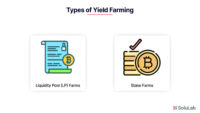
Yield Aggregators use smart contracts to automate and optimize your returns throughout defi yield farming development yield farming and DeFi methods. These smart contracts pool buyers’ funds and invest them into a portfolio of pre-programmed yield-bearing strategies. You can consider yield aggregators as automated fund managers.One of the advantages of a yield aggregator is that it makes use of tried and tested strategies to diversify your funds across protocols. However, you additionally lose a stage of control if you delegate investing strategies to a 3rd party. Impermanent loss occurs when your deposited digital belongings spike or drop in value compared to if you initially deposited them within the liquidity pool.

Curve Finance (stablecoins & Giant Markets)

On top of that basic perform, the pooling of funds allows the farm to contribute a bigger amount of liquidity to pools, thus earning a bigger percentage of the buying and selling fees generated by that pool. Uniswap is a DEX system that allows token exchanges with no trust. Liquidity providers invest the equal of two tokens to create a market. In return for offering liquidity, liquidity providers get fees from trades that take place of their pool.

Types Of DeFi Yield Farming

DeFi lending and borrowing ecosystems may take successful if the SEC declares them to be securities. Curve is the largest DeFi platform when it comes to complete worth locked, with almost $19 billion on the platform. With its personal market-making algorithm, the Curve Finance platform makes higher use of locked funds than some other DeFi platform — a useful technique for both swappers and liquidity suppliers.

Types Of DeFi Yield Farming

Circulating supply is the quantity of a cryptocurrency currently on the market. When selecting a farming platform, liquidity and trading volume are the primary issues to contemplate. In A Unique Way, 1inch takes the aggregation strategy additional by introducing Fusion swaps. By Way Of 1inch Fusion, liquidity is sourced not solely from the 1inch Aggregation Protocol but in addition from the complete market, including DEXes and CEXes. Yield farming returns are typically calculated on an annual foundation as an Annual Share Rate (APR) and Annual Proportion Yield (APY). On high of bringing these providers to the beforehand “unbanked,” DeFi has helped create a extra stage enjoying subject by eradicating the necessity for trusted intermediaries and custodians who earn a dwelling by skimming fees off the highest.

How Does Yield Farming Work?

Because well-funded liquidity pools now not want to offer higher rewards to attract liquidity. Aave is a number one lending and borrowing ecosystem where customers can deposit property to earn curiosity. Instead of traditional liquidity swimming pools, Aave pays yields based on real borrowing demand — meaning you earn interest from borrowers using your property.

  • Liquidity swimming pools are sensible contracts that comprise funds used to facilitate token swaps.
  • One of the defining options of yield farming is its variable returns, that means your yields can change over time based on market exercise and liquidity demand.
  • In this article, we’ll clarify how yield farming works, popular yield farming strategies, and the risks involved.
  • While yield farming is a lucrative way to earn interest on your crypto, you have to understand that prime returns often come with equally excessive risks.

With the emergence of Yield Farming 2.zero, new strategies have been introduced to address some of the limitations seen in early models. This new technology of yield farming focuses on effectivity, sustainability, and smarter threat control. Smart contracts now supply protocol-owned liquidity and auto-compounding advantages. Fifth on the record is Morpho V1, a vault that allows customers to automate incomes yield in DeFi.

Types Of DeFi Yield Farming

It is widespread to search out liquidity swimming pools working collectively in relation to https://bishe.cc/1735/ yield farming. The Gemini dollar, which has a deposit APY of 6.98% and a borrow APY of 9.69%, is the highest-earning stablecoin accessible on Aave. DeFi yield farming is likely considered one of the in style methods to earn crypto with minimal energetic administration of your investments. Nonetheless, if you select a volatile funding strategy like yield farming, it’s necessary to have a robust understanding of all the dangers concerned.

Lista DAO, a DeFi protocol that integrates stablecoin minting, liquid staking, and token governance by way of its native LISTA token, is on the high of the listing. According to the data, Lista DAO’s liquidity pool, sLISBNB, is presently the best-performing yield farming pool that gives the highest APY yield of 10.80%. SlisBNB is a liquid staking service that allows investors to take part in varied DeFi actions whereas on the same time incomes staking rewards. Put another means, a platform’s TVL is the aggregate liquidity in the entire Fintech obtainable liquidity swimming pools on that platform. It can also be used as a measure to evaluate the health of the DeFi ecosystem as a whole by monitoring the value of all of the liquidity deposited on DeFi good contracts. Alongside those same lines, TVL can be used to compare the “market share” held by each DeFi protocol.

Numéros de services clients gratuits La liste des numéros non surtaxés Actualité

Why Solana Transactions, SPL Tokens, and DeFi Analytics Still Surprise Me (and How I Track Them)

Whoa! Solana moves fast. Really fast. I remember the first time I watched a bunch of transactions ripple through the network—my jaw dropped. My instinct said this would be messy, but the tools have matured. Initially I thought analytics would be mostly noise, but then patterns emerged that changed how I debug and profile DeFi flows. Actually, wait—let me rephrase that: at first it seemed chaotic, though with the right explorer and filters you can see clean narratives in the data.

Here’s the thing. Solana’s parallelized runtime and short slot times make transaction tracing feel like listening to a live sports broadcast rather than reading a logbook. Transactions nest, programs cross-call, and token transfers can hide behind several inner instructions. Tracking an SPL token swap is rarely a single-step affair. My gut says you should approach tracing like detective work—start with a hunch, then validate with the ledger. That approach has saved me hours when auditing trades and front-running risks.

Fast note: when I’m digging I usually start with the transaction signature. It’s tidy. You can follow it through program logs, compute units, and pre/post balances. If you only ever look at balances, you’re missing the storyline behind every transfer. Somethin’ else—watch for inner instructions. They tell you who really moved the money.

Screenshot of a Solana transaction timeline with inner instructions highlighted

How I trace a tricky transaction

Step one: grab the signature. Step two: inspect program logs. Step three: scan pre/post token balances. This is basic, but it works. On one hand you get a map of participants. On the other, you learn why a swap reverted or why a token transfer appears duplicated. In practice, the logs reveal CPI calls and program errors before balances do.

Let me walk you through a real-ish example. I was debugging a failing swap where fees vanished and nobody could account for them. Initially I blamed the AMM. Later I found a wrapped SOL unwrap executed as an inner instruction, which triggered a race between rent-exemption checks and fee settlement. The fix was subtle: reorder instructions to ensure SOL wrap/unwrap happens after fee accounting. Simple? Not at first. This is the sort of thing that makes DeFi audits feel part software engineering, part archaeology.

Okay, so check this out—if you use an explorer that surfaces inner instructions and token balance deltas, you see the whole story. That’s why I use tools that present token movements grouped by accounts and show which program invoked what. For quick checks I often reach for solscan explore to jump straight to the transaction page and validate flows. It’s my shortcut for seeing the ledger without digging raw RPC responses.

SPL tokens: quirks and gotchas

SPL tokens are remarkably simple conceptually, though they have a few practical quirks. For example, associated token accounts can multiply. A single wallet might have dozens of ATA entries for legacy or dust tokens. That confuses newcomers. Also, token metadata and mint authorities are separate concerns; seeing a transfer doesn’t tell you about off-chain metadata integrity or IPFS availability.

One bug that keeps coming up is mistaken assumptions about wrapped SOL. People forget wrapped SOL is an SPL token with its own lifecycle. If you programmatically unwrap in the wrong slot, you can break rent exclusion or collide with other actions. So my rule of thumb is to be explicit about create/close of token accounts and to log every wrap/unwrap call during testing.

Another practical tip: watch for transient dust accounts. DeFi aggregators and bots create many temporary ATAs, especially when interacting with multiple tokens. When analyzing on-chain flows, filter these out to keep your view clean. This reduces false positives in dashboards and makes event grouping more meaningful.

DeFi analytics: building signals you can trust

DeFi on Solana is noisy. Liquidity moves fast and on-chain composability creates cascades. So you need metrics that are robust to noise. Volume and TVL are helpful, but they lie by omission. Look instead for rate-of-change signals, liquidity concentration, and net flow between pools. Those reveal whether a whale is skewing markets or whether genuine retail activity is growing.

Pro tips from my own toolbelt: normalize token values against a trusted price feed, segment flows by program IDs (e.g., Serum, Raydium, Orca), and correlate spikes with program logs that show concentrated CPI activity. This gives you context—was this a real user trade or a chain of CPIs created by an aggregator?

Also: compute units. Seriously. High compute usage often signals complex strategies or potential bot activity. If multiple high-CU transactions originate from one authority, check for batched operations or a liquidator bot. My instinct once flagged a suspected exploit simply because compute units spiked without corresponding balance movement; logs then showed attempted replays against stale state—lucky catch.

Tools and workflows I actually use

I combine simple shell scripts with on-chain queries and an explorer UI. The shell jobs pull transaction signatures and balances via JSON RPC. A lightweight indexer processes token deltas. Then I open the interesting ones in a browser to get human-readable logs. That human step is crucial. Machines can filter, but humans still spot oddities.

One workflow: set up a watcher to notify on large token transfers or on sudden LP shifts. Receive the tx signature, then inspect it manually for inner instructions. If you automate too much, you miss context. I’m biased, but automation should augment, not replace, manual inspection.

By the way, when presenting findings to teams, I favor annotated transaction timelines. They show who called what and when, and they help non-technical stakeholders grasp the flow. This is way better than dumping raw logs into Slack and hoping someone reads them.

FAQ

How do I quickly find the origin of a token transfer?

Start with the transaction signature and inspect inner instruction logs. Check pre/post token balances to see the exact deltas. If you need a faster route, open the transaction on an explorer that highlights CPI calls and token balance changes, which makes the origin clear quickly.

When should I be worried about compute units?

Be concerned when compute units spike for seemingly simple transactions, or when a single authority produces many high-CU txs. These can indicate batched strategies, complex arbitrage, or potential abuse. Correlate with token flows and program IDs for context.

Which explorer features matter most?

Inner instruction visibility, token balance deltas, program logs, and easy linking from signature to account are the essentials. Convenience features matter too—copyable instruction data and clear timestamps save time. For direct hands-on work, having a reliable explorer as a starting point is invaluable.

FeliceBet Casino: secure betting, fast payouts, big wins Algebra Ace 9

Its sportsbook is just as impressive, as it covers all the major sports leagues and events. FeliceBet Casino sets itself apart from other online betting sites for its generous promotions. When getting started do not forget to activate the FeliceBet bonus with any smartphone you prefer! In addition, this mobile app utilizes the latest safety measures, so you can play safely. The FeliceBet customer support is available 24/7 and will provide help if you need help regarding the mobile app. What can you do on the FeliceBet mobile casino web app?
Are the wagering requirements generally low or high, and do they vary based on the promotion type? Is there a welcome bonus offer, and are there specific requirements to claim it? The licensing process requires data protection, inspected gambling products, and secure payment methods.
Furthermore, the site recommends responsible gambling organizations like GamCare and Gamblers Anonymous. The platform is owned and operated by Next Global Era Limited, a registered iGaming company. Notably, the operator is a crypto casino, so it also accepts cryptocurrencies like BTC, USDT, and LTC.
Moreover, the casino’s functionality is exceptional, with a handy menu at the top of the homepage, showing all the necessary categories – Casino, Live Casino, Virtual Sports, Sports, Live Betting, Esports, and Promotions. Additionally, the casino has generous promotions that set it apart from other online betting sites. And if you decide to play at this casino despite the unfair rules, at least read the T&Cs carefully before you start playing, to make sure you know what to expect. If you want to make sure you have an enjoyable gaming experience, I recommend you look for a casino with fair T&Cs.
Maybe it just takes some time for you to receive the money. Support is a disaster, a complete waste of time! I deposited €100 there today using a Cashlib voucher, and these crooks didn’t even credit my deposit. Apparently a sister casino of Wikiluck. He probably means the Felicebet casino.
Start with the whole name of the casino, for example. Save my name and email in this browser for the next time I comment. Sports bettors are also in for a treat, as its sportsbook covers popular sports leagues alongside niche events.
Most promotional credits and spins carry a 40x wagering requirement (applies to bonus plus deposit) and must be used within about 21 days. Supabets provides new players a generous welcome package of 100 Free Spins on Vegas games plus 50 Free Spins on a Habanero game. The best 50 free spins offers in South Africa cater to both no-deposit bonus seekers and those ready to invest a little for a big return. Nonetheless, remember that you need to complete the account verification process felicebet casino to be eligible for withdrawals.

  • Are there any time limits or restrictions for using the bonus funds or spins?
  • On the other hand, if sports betting is more your thing, you can opt in for the sports welcome offer instead.
  • Casino fans and sports bettors alike are in for a treat at FeliceBet Casino.
  • You recognize the categories at a glance, the tiles are clear and readable, and the entire premises looks designed for gaming fun.
  • From new game launches and software updates to expert reviews and industry insights, we deliver timely and reliable content to keep players informed.
  • Players have 21 days to meet these requirements, providing ample time to work through the bonus funds across FeliceBet’s extensive game library.
  • As part of numerous leagues across the globe, bettors can enjoy virtual sports like football, horses, and greyhounds, besides traditional sports like football, basketball, tennis, futsal, mixed martial arts, badminton, motor racing, boxing, and tens of others.

Industry Approvals

Unfortunately, we didn’t find handy responsible gambling features like deposit limits and reality checks during our review. Furthermore, FeliceBet Casino employs several security measures to protect players, including SSL encryption technology. However, while the platform doesn’t place transaction charges on deposits, your payment provider might. Keep in mind that these games are mostly provided by software providers like Leap Gaming, G Games, and Spinomenal.

FeliceBet Casino

The casino’s interface presents a clean, user-friendly design that works seamlessly across desktop and mobile browsers without requiring additional app downloads. Payments are accepted through Visa, Skrill, Bitcoin, and more, with a minimum deposit of €10 and a monthly withdrawal limit of €5,000. You can use a variety of fiat and crypto methods for deposits and withdrawals. Stay in the loop with Felicebet Casino News & Reviews for all the must-know happenings in the gaming world.
FeliceBet Casino has a lot of hugely popular software providers such as Microgaming, NetEnt, NextGen, Blueprint Gaming, and upcoming studios such as QuickSpin, and felicebet casino Core Digital that has made available different slot games. The casino encourages players to interact with their specialists on many levels even though the sign-up process is very straightforward. Whether you’re using trusted cards, popular e-wallets, or lightning-fast crypto, Felicebet delivers secure, feel-good banking that keeps your gameplay flowing with ease. However, these bonuses usually come with strict wagering requirements and withdrawal limitations that can make them less attractive than they initially appear. The site lists a standard welcome offer of 100% plus 200 free spins, though players should expect variations and occasional boosts that change by territory and campaign. On the other hand, free FeliceBet Casino free spins spins refer to free spin offers that require no deposit on your part.

Online casino red flags: 7 warning signs to avoid

  • Certain networks need a specific stake to qualify for the highest tier and not every game title feeds the biggest pool.
  • Start with the whole name of the casino, for example.
  • It embraces a fun, nearly “festival” aesthetic instead of the usual dark casino atmosphere.
  • Is there a welcome bonus offer, and are there specific requirements to claim it?
  • Keep in mind that the sports welcome bonus has a maximum bonus winnings limit of 10x the credited bonus amount.
  • Check out our 8 tips on how to beat the wagering requirement.
  • Always verify details on the promo page for your region before making a deposit.

FeliceBet excels in providing flexible payment solutions that accommodate players from different regions. By reviewing these options, users can make informed decisions on where to play, ensuring they receive the most favorable and exciting offers available in the market. This multi-currency approach provides convenience for international players who can avoid currency conversion costs that might otherwise eat into their bankrolls or winnings. As we mentioned earlier, every newcomer will be able to claim the welcoming offer as soon as he enters the casino and places the first deposit. Offering incentives for reviews or asking for them selectively can bias the TrustScore, which goes against our guidelines. Verification can help ensure real people are writing the reviews you read on Trustpilot.

What is the FeliceBet Mobile Website?

If you continue to have issues and 14 days pass, our team will contact the casino soon since you have an open complaint. Hi, I don’t envy your problems at the casino. I’m almost 100% sure it’s a scam casino because they even wanted a notarized copy of my driver’s license for verification, and they got everything from me. I’ve been waiting for €5000 from felicebet115.com for a week now.

The most notable are for example Hollywoodbets, offering 50 free spins on Habanero slots including Hot Hot Fruit and Rainbow Mania as well as Playabets. If you feel gambling is becoming problematic, contact organizations like GamCare or Gamblers Anonymous for professional support and guidance. Our support agents are trained to handle all aspects of your casino experience, from basic account setup to advanced technical troubleshooting. The casino operates transparently and is dedicated to providing a secure and fair gaming experience.
The live lobby joins the slots in the same positioning and there’s a complete sportsbook under the same page. Play a couple of slots and watch the timer, then move to the live tables to break the pace. Time constraints and wagering apply, usually in the ballpark of 35× (occasionally specified on bonus + deposit) and valid for 21 days. The casino side is a multi-deposit welcome, up to a value of €2,600 plus up to 300 free spins (the breakdown is subject to region and page). Trustworthiness, sports variety, or bonus offers – these are only a few things which are advisable to be taken into consideration. Find the best betting sites in February 2026, including their reviews, ratings, comments, bonuses, and much more.
Follow us on social media – Daily posts, no deposit bonuses, new slots, and more Similar to most live dealer casinos, FeliceBet Casino offers a decent number of game shows alongside classics like blackjack, roulette, and poker. You can pick from 200+ of the best live games around, all from well-known live casino game providers like Ezugi, TvBet, and Pragmatic Play Live. Before you start playing with your casino bonus, make sure you fully understand the wagering requirements. Note that only eligible casino games contribute towards the playthrough condition.
Periodical update is the only possibility of following fast-changing facts such as payment methods or bonuses. Top 100 Bookmakers was developed with an ambition to simplify the sports bettors the difficult and time-consuming process of selecting a bookmaker to bet with. Users are solely responsible for ensuring that online gambling is legal in their location before participating. Previously I worked as a CCO for multiple companies, polishing my skills and knowledge related to online gambling industry. You should always make sure that you meet all regulatory requirements before playing in any selected casino.Copyright ©2026

FeliceBet Casino: secure betting, fast payouts, big wins

Top 100 Bookmakers is a first comparative database of online bookmakers. Duelbits is streaming Super Bowl LX live, giving football fans a way to watch the… Please play responsibly. Online gambling can be addictive. This means we may receive a commission if you register or make a deposit through our partner websites, at no additional cost to you. All information, rankings, and bonus listings are provided for informational and entertainment purposes only.

Chicken Road 2 Play Real Money & Demo with Bonus year

These two indicators – RTP and volatility – are your navigation tools in the casino universe. Prefer more frequent, smaller wins to keep your entertainment going longer? Enjoy the journey, celebrate small victories, and always keep your gaming healthy and fun! Chicken Road 2 will still be there tomorrow, but your financial stability might not be if you don’t play responsibly! Chicken Road 2 is designed to be entertaining, but losing track of time is easy when you’re having fun. Always read the terms and conditions though – some bonuses come with wagering requirements tougher than crossing a highway!

  • No more fumbling with controls – Chicken Road 2 mobile version puts everything you need within easy reach of your thumbs.
  • The biggest wins came from iPhones, but some jackpots were hit from Google Pixels and even Samsung Galaxies!
  • The longer you wait, the higher your potential winnings, but the risk of losing everything increases exponentially.
  • The chicken starts at the first line and the multiplier grows with each safe step.
  • The chicken road 2 slot mechanics create an exciting gaming experience that keeps players engaged.

? All Innout Games products, including the hilarious Chicken Road 2, undergo rigorous testing and comply with international gaming standards. Their commitment to quality has led to partnerships with several major gaming platforms, expanding their reach chicken road 2 game globally. ? Despite being relatively new to the industry, Innout Games has earned recognition for their unique art style and engaging game mechanics. The game works perfectly on iOS and Android devices with touch controls specifically designed for smartphone and tablet screens. Join the ranks of winners whose stories inspire others to try their luck. The road to fortune might just be a chicken crossing away!

Chicken Road 2 Mobile FAQ in the UK

Experience Chicken Road 2 at reputable Canadian online casinos known for secure play and fast payouts. You decide when to cash out—grab your winnings early or risk it for higher rewards. Chicken Road 2 lets you play your way, whether you prefer small bets or want to go big.

Gameplay Steps

Even tablet users will find the experience perfectly adapted to their larger screens. Whether you’re an Apple enthusiast with the latest iPhone or an Android aficionado, the game delivers consistent quality and performance. ? Chicken Road 2 performs flawlessly across all mobile platforms. You’ll be delighted to know that switching between devices is absolutely seamless. No more fumbling with controls – Chicken Road 2 mobile version puts everything you need within easy reach of your thumbs.

Chicken Road 2.0 – Key Features

The chicken starts at the first line and the multiplier grows with each safe step. You either lock profit now, or you risk the next step for a higher multiplier. A practical guideline many disciplined players use is keeping each wager to a small fraction of their session bankroll. Many players don’t lose because they misunderstand the rules – they lose because they change their plan mid-round. It’s instant drama, which is why it fits modern mobile play so well. But the further you go, the more the risk grows – so the whole game becomes a tightrope between greed and discipline.

Smart Betting Patterns

The wild symbol can replace most other symbols to complete winning combinations, which increases the frequency of payouts. The chickens themselves, eggs, farm tools, and tractors serve as regular icons, while special symbols such as wilds and scatters open the door to bigger opportunities. Players are responsible for making sure they are allowed to play by local regulations. Players are invited to join a group of chickens as they make their daring journey across a busy road. At its heart, this is a video slot game with five reels and multiple paylines, but what makes it stand out is the story it tells. Their titles consistently receive high ratings on major gaming platforms.

Follow Crossy Road on

Our team at InOut Games rebuilt everything players loved about the original and added sharper visuals, bigger risk-reward options, and smoother performance across all devices. We’ve made sure that players of Chicken Road 2 have access to fast, responsive customer support through our official casino partners. The game is also backed by Provably Fair technology, allowing every player to independently verify the fairness of each round.

Bet365

You’ll also find built-in tools for responsible gaming, such as session timers, loss limits, and a reality check that appears after every 60 minutes of continuous play. These credentials show that all games, including Chicken Road 2, are designed to meet high standards for fairness, player safety, and security across global iGaming markets. Setting a deposit limit between $50 and $100 CAD for your first sessions can help you manage your bankroll while you adjust to real money play. Most Canadian casinos make it easy to transition from demo to real play. Step into the action with Chicken Road 2 from InOut Gaming, where your goal is to help a determined chicken cross chaotic roads and win up to 10,000 times your bet.

Multipliers and Managing Your Risks

Our team at InOut Games is proud to present Chicken Road 2 — the upgraded sequel to our wildly popular original game. The maximum prize is $20,000, with multipliers that can reach an incredible x3,203,384.8 in certain runs. The game is built with HTML5 technology and works smoothly on iOS, Android, tablets, and desktop browsers with no downloads required. Jump in today and find out how far your chicken can make it across the road! It gives you the freedom to explore every feature, try out strategies, and practice your timing in a fun, risk-free environment.

If offered free spins or welcome bonuses for Chicken Road 2, use them wisely. ? Casino bonuses are golden eggs! Different obstacles and crossing points offer varying multipliers.

  • ? Our players know this feeling all too well, with Chicken Road 2 leading the pack of games delivering jaw-dropping wins daily.
  • The game consists of multiple steps, each representing a successful road crossing.
  • With Betify, claim your welcome bonus of up to €500 in just a few seconds.

They can choose to cash out or risk proceeding for higher multipliers, potentially reaching up to 220x, equating to $11,000. The game consists of multiple steps, each representing a successful road crossing. The primary objective is to advance as far as possible, increasing potential winnings with each successful step. You’ll get a feel for the cash-out system, multiplier structure, and difficulty levels—just like in the real thing. It’s the ideal way to explore every feature, test strategies, and get familiar with how the game works before placing actual bets.

Choose an Appropriate Difficulty Level ?

The loop is clean — step forward, watch the multiplier climb, decide when to bank — and every round gives you a neat mix of nerve and timing. This strategy minimizes the risk of losing a larger bet while still benefiting from steady gains. One of the key features of Chicken Road 2 is the ability to cash out at any time, and using this feature wisely can be a game-changer.

The browser-based approach also means you’ll have access to the same features, bonuses, and gameplay mechanics whether you’re playing on desktop or mobile. The demo version mirrors the full game experience completely, featuring identical graphics, sound effects, and gameplay mechanics. Playing the demo version is highly recommended for both newcomers and experienced players alike.

Each game, including Chicken Road 2, features vibrant graphics, witty character designs, and gameplay that’s easy to learn but challenging to master. Your winnings depend on your bet amount multiplied by the multiplier achieved when cashing out. Place your bet, start the game, and decide when to cash out before the chicken gets hit! From the heart-pounding excitement of Chicken Road 2 to our selection of over 500 games, winners emerge every minute. Fortune favors the brave at our casino, especially in fan-favorite games like Chicken Road 2. You might experience longer dry spells between wins, but the payouts can be worth crossing the road for.

Choose the Online Casino Wisely and Look for the Best Bonuses?

The game offers an impressive 98% RTP, giving players one of the best return rates in the crash-game genre. Whether you’re learning the basics or fine-tuning your strategy, the demo is the safest way to master the mechanics before switching to real-money play. It delivers higher payouts, better mechanics, and more ways to play, while keeping the fun, risk-filled spirit that made the first game so popular.